Industrial design brief generator
Generate structured industrial design briefs for practice projects, studio warm-ups and weekend sprints. Free brief generator on brahm.design.
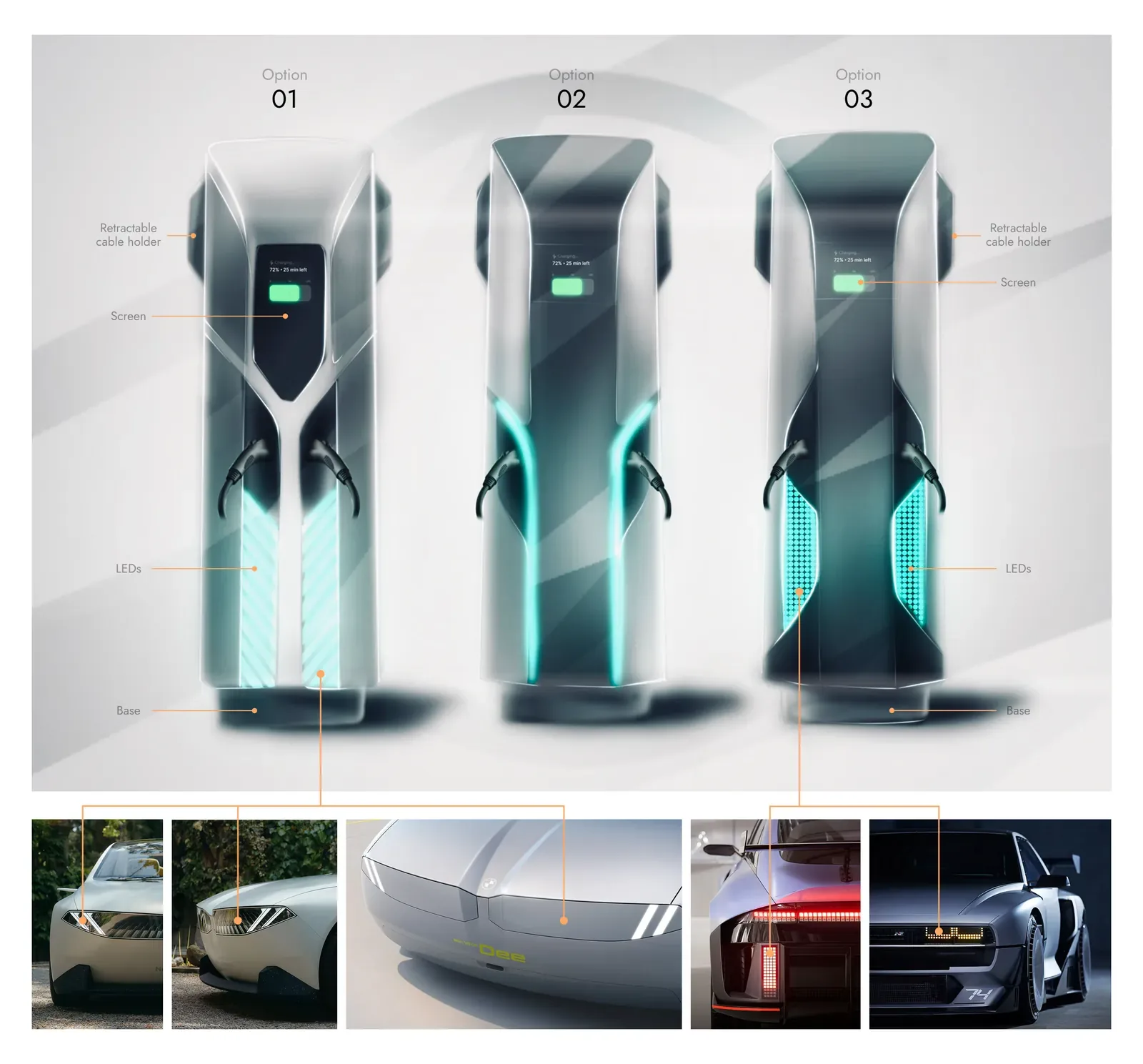
A good brief is a set of constraints, not a slogan. The brief generator creates structured industrial design briefs you can use for practice projects, warm-ups, or a weekend sprint when you want to sharpen process without waiting for a live client. Each brief has a user, a context, a product type, and enough limits — volume, environment, or manufacturing direction — to stop the work turning into an unbounded styling exercise.
Students often invent briefs that are too soft (“design a better bottle”) or too cinematic. Practising against a tighter brief teaches the habit of asking what is fixed and what is open. The generated briefs are realistic in shape, not official commissions: they are there so you can run a process, not so you can claim a fictitious client in a portfolio.
Treat the output as a starting document. Add your own research questions, a first list of competitors, and a note on how you will judge the work. If you use a generated brief in a case study, say clearly that the brief was a practice prompt, and show the thinking that followed.
When you are ready to work with a real company, the same structure still helps: user, context, constraints, success criteria. The generator is a gym for that structure.
Example
Sample brief shape. “Design a reusable lunch container for office workers who commute on a scooter in a hot city. Target a selling price in a mid consumer range, production in the tens of thousands, must stack in a bag and survive a drop from seat height. Prefer a process available to a typical Indian or South-East Asian vendor.” That is enough to start research. The generator’s job is to keep handing you constraints of that density.
How to use this tool
- Open Brief Generator in the Industrial toolkit and generate a brief.
- Read it once and highlight the constraints — user, place of use, volume, or process — before you sketch.
- Write three research questions the brief does not already answer.
- Run a short ideation against those constraints, then a tighter second pass.
- If you keep the project, document the brief honestly as a practice prompt in your case study.
Frequently asked questions
Are these real client briefs?
No. They are practice briefs with realistic constraints. Do not present them as commissioned work. They exist so you can rehearse a process.
Can I edit a generated brief?
Yes, and you should. Tighten or loosen constraints to match the time you have, and add any ethical or accessibility requirements you want to hold yourself to.
Is this useful for professionals?
It can be a warm-up or a teaching tool. For paid work, the brief should come from the actual problem, the actual user, and the actual commercial limits.
Can I share a brief with a class or a workshop?
Yes. Credit brahm.design as the source of the prompt and make sure participants know it is a practice brief.