Design breakdowns of iconic products
Fifty product design breakdowns covering form, CMF, UX decisions and lessons you can apply in your own work. A free study library on brahm.design.
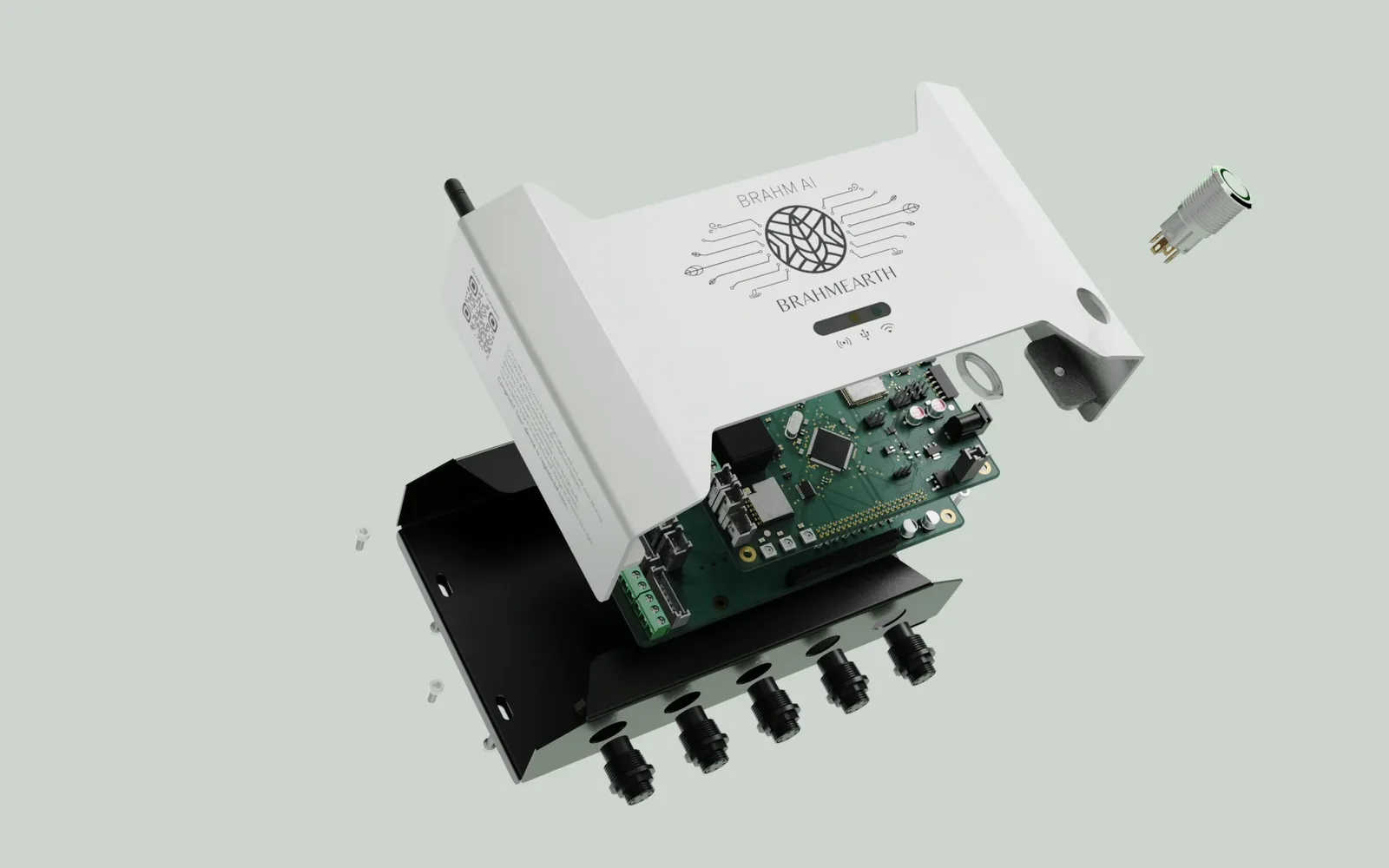
The fastest way to get better at industrial design, after making things yourself, is to take products apart with your eyes. The design breakdowns library looks at fifty well-known products and records the form language, CMF, and interaction decisions that make them work — and the lessons worth stealing in the legitimate sense: principles, not copies.
Each breakdown is a short, structured study: what the object is for, how the form is organised, what the materials and finishes are doing, and which UX or use-cycle choices are hiding in the hardware. Use a breakdown the way you would use a studio critique of a product on the table, not the way you would use a moodboard of things you simply like.
The set is a teaching library, not a claim that these are the only objects worth studying, and not a ranking. Some products are here because they are famous, some because a single joint or a CMF move is unusually clear. If your category is missing, use the same headings on an object on your own desk: purpose, form, CMF, use, what you would change.
When a breakdown gives you an idea, take it back to a brief. A beautiful split line on a camera does not automatically belong on a farm sensor. Write the principle (“the parting line is also the grip graphic”) and test it in your constraints.
Example
A principle, not a copy. A breakdown might note that a well-known kettle puts the boil switch in the handle so a wet hand can find it without looking at the base. The lesson is “put the primary control where the hand already is,” not “design a kettle that looks like this one.” That is how the library is meant to be used.
How to use this tool
- Open Design Breakdowns and pick a product close to the category you are working in, or one you disagree with.
- Read the form, CMF and UX notes, and write one principle in your own words.
- Sketch that principle into your current brief, then stop if it does not survive the constraints.
- Compare two breakdowns in the same category to see what is a convention and what is a choice.
- Once a month, write your own breakdown of an object you own, using the same headings.
Frequently asked questions
Are these official teardowns from the manufacturers?
No. They are design studies written for learning. Details can be incomplete or dated as products are revised. Check a live unit or a reliable teardown if you need factual service information.
May I copy a product I see here?
No. Study the principle — a proportion, a joint, a CMF contrast — and apply it to your own brief. Copying a distinctive product design can infringe rights and is poor practice.
Why fifty?
It is a large enough set to compare, and a small enough set to be curated. It is not a complete museum of industrial design.
Can I request a product?
The library is curated inside the toolkit. The method — purpose, form, CMF, use, lesson — works on any object you can sit with for an hour.