Reads: essays on objects and materials
Twenty short essays on design objects, materials, and how to look at the made world. A free reading list for industrial designers on brahm.design.
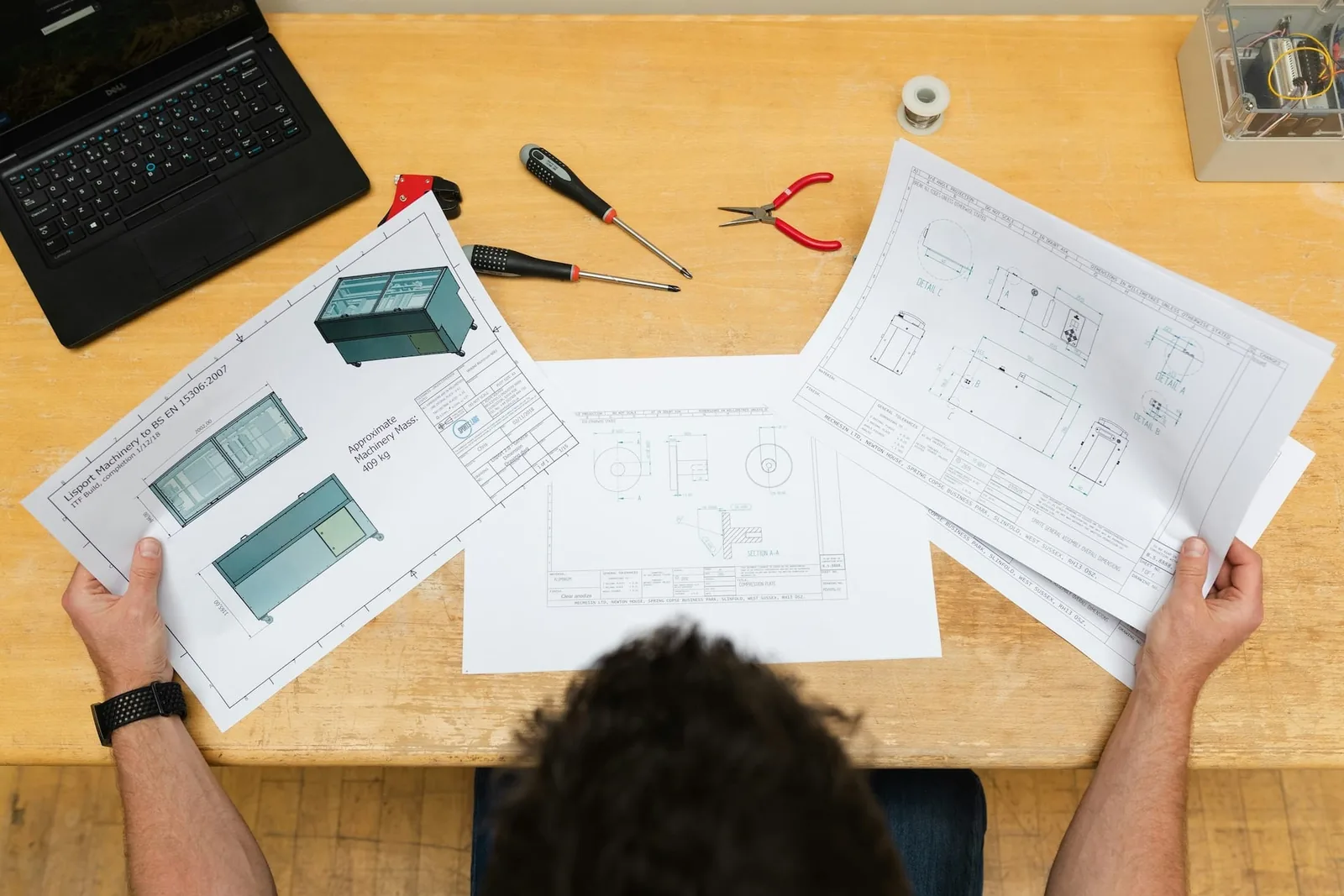
Looking is a skill. The Reads collection is twenty short essays on design objects, materials, and ways of seeing the made world — closer to a studio reading list than to a news feed. The pieces are there to slow you down: how a material ages, how a typology evolved, how a seemingly simple object hides a set of decisions.
Use them as a warm-up before a project, as a teaching aid, or as a way to practise writing about objects yourself. Each essay is short on purpose. The point is not to finish a canon of design history; it is to leave you with a sharper question you can take to a product on your desk.
The collection sits next to the breakdowns and the curated objects so that reading, looking, and handling can support each other. If an essay mentions a material or a finish, open the material explorer and a real sample if you have one. Words about texture are a start; the hand is the test.
These essays are editorial, not peer-reviewed research, and they are not a substitute for a materials textbook or a history course. Read them critically. If a claim about a process or a date matters to your work, confirm it in a primary source.
Example
A way to read. After an essay on how plastics scratch and polish in daily use, pick up a remote control, a kettle, and a transit card in your house. Note which surfaces have gone shiny, which have picked up a dark grease line, and which still show the original texture. That ten-minute audit will teach you more about finish specification than highlighting the essay will.
How to use this tool
- Open Reads and pick an essay close to something you are already making or studying.
- Read it once without taking notes, then write three lines on what you agree with and what you doubt.
- If a material or object is mentioned, go and look at a real example the same day.
- Try writing a short paragraph about an object you own, in the same spirit — specific, not lyrical for its own sake.
- Come back later with a different essay rather than bingeing the set in one sitting.
Frequently asked questions
Are the essays academic papers?
No. They are short editorial essays for designers. Useful for attention and vocabulary; not a citation you should lean on for a technical claim without checking a primary source.
Can I share an essay with a class?
Point students at the Reads section on brahm.design so they see the piece in context. Check any reuse of the text against ordinary copyright sense — do not republish the essays as your own.
Will new essays be added?
The toolkit describes a set of twenty. Treat what is in the collection as the current list; anything new will appear there.
Do I need an account to read them?
The full toolkit, including Reads, sits behind a free sign-in so your workspace can be saved. The public page you are on explains the collection; the essays themselves open in the toolkit.